Blog
Parka or jacket: what are the differences and which to choose for winter?

Parka or jacket? It's a question we often hear in the shop as soon as the temperature drops below zero. At first glance the difference seems small, but length, insulation, wind protection and how you wear it can decide whether you stay warm or freeze at the bus stop.
Good winter outerwear is not just about looks. It protects you from wind, rain, snow and low temperatures. Both a jacket and a parka can be a good choice, but in different conditions and for different needs.
Below we explain the differences using specific military models from our range and show you how to choose what you really need.
Parka or jacket: the short answer and the main difference
If you need warmth, length and serious protection from wind and snow, a parka is usually the better choice. If you need an everyday piece that's easy to style and doesn't restrict movement, a jacket is usually more practical.
What is a parka and what is a jacket?
A parka is a longer winter jacket, usually reaching mid-thigh or lower, with a hood and heavier insulation. Military parkas are made for long spells in the cold, so they focus on two things: warmth and protection.
A jacket is shorter, usually waist or hip length. There is a wider choice of cuts, from military field and pilot models to sporty and technical ones. That makes it easier to fit into different outfits and layers.
Comparison: length, warmth, protection, mobility and weight
If you need a quick overview, these are the main differences in practice:
- Length: a parka covers the hips and part of the thighs, while a jacket ends at the waist or hips.
- Warmth: a parka is generally warmer when standing outside for longer, while a jacket more often needs layers underneath.
- Protection from wind and snow: a parka covers more of the body, so there are fewer places for the cold to get in.
- Mobility: a jacket is better for driving, stairs and quick errands.
- Weight and bulk: a parka is usually heavier and bulkier, while a jacket is lighter and more compact.
Material and insulation: how warm it is and how well it protects
Insulation determines how warm a piece is, and the outer material how well it protects from wind and precipitation. Jackets are often made of lighter materials such as nylon, polyester, softshell or cotton blends, and are moderately warm. They work well in between seasons or with layers underneath.
Parkas are sturdier, with stronger insulation and a construction that retains heat better. If you often walk or get cold standing still, a parka will be more comfortable in most cases. If you're always moving between the car and the office, a good jacket is enough.
Waterproofing and windproofing: what 5000 mm and 10000 mm ratings mean
The mm H2O rating shows how high a column of water the material can withstand before it starts to let water through. The higher the number, the longer the material holds out against rain and wet snow. Around 5000 mm is enough for everyday wear in rain and changeable weather, while 10000 mm gives more security for longer spells outdoors in heavier rain.
Know the difference between water-repellent and waterproof. Water-repellent material sheds drops and short showers, but does not guarantee protection in a long downpour. For waterproofing, check the hood, zip and seams too, as that is where water most often gets in.
Length, hood and the details that make a difference
The length of a parka isn't just about looks. It gives more body coverage, better wind protection and fewer cold spots around the hips and lower back. Outdoors, in the field or on evening walks, you feel it quickly.
In the cold, details matter. Parkas often have a sturdier hood, sometimes with fur that protects your face from the wind, a higher collar, a zip guard and deeper pockets. With jackets, check whether the hood is adjustable and whether the cuffs fit snugly at the wrist, as that's where cold air most often gets in.
Types of military-style parkas and jackets
Parkas: N3B, fishtail and long city parka
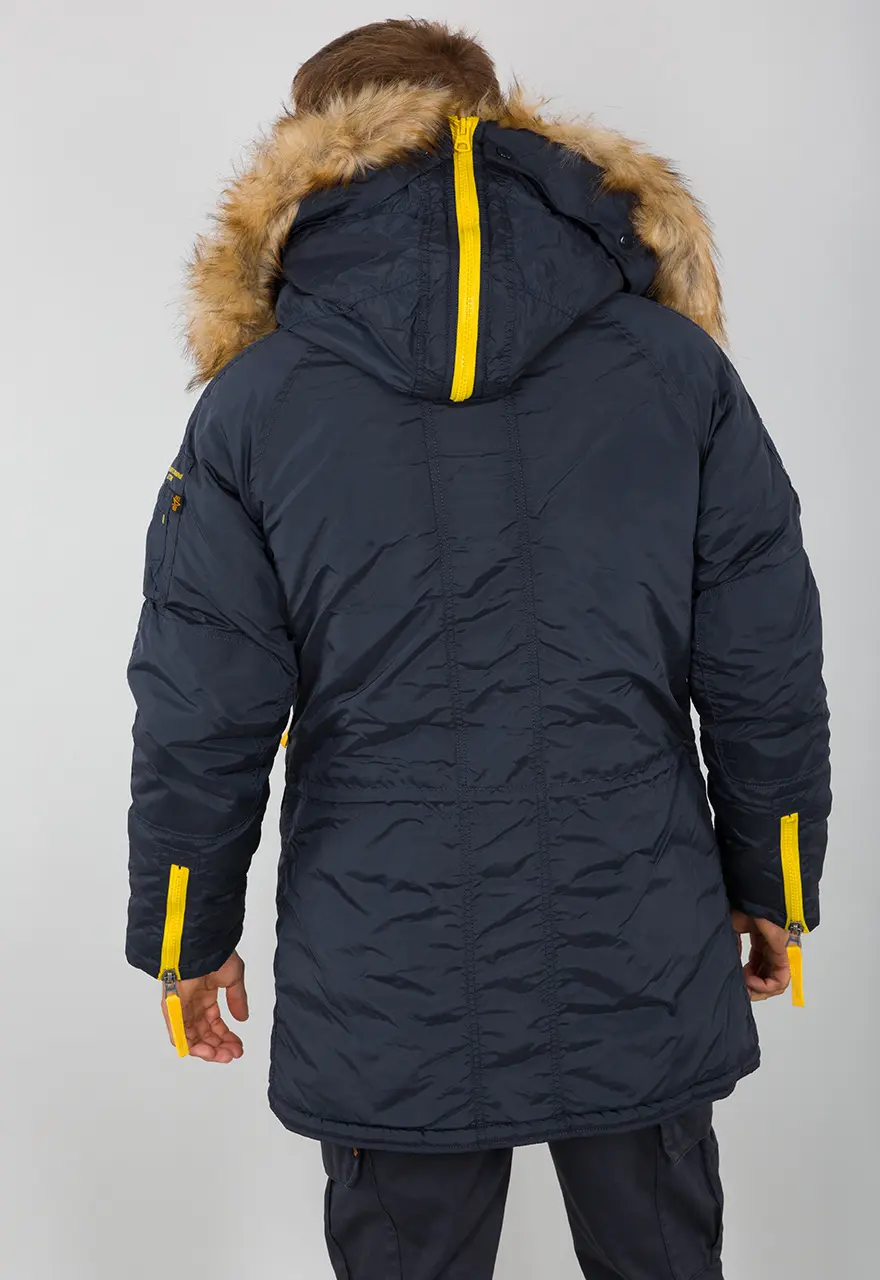
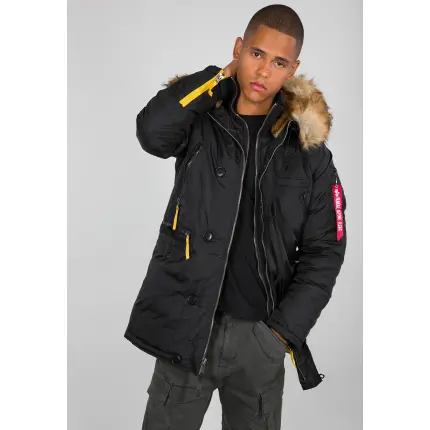
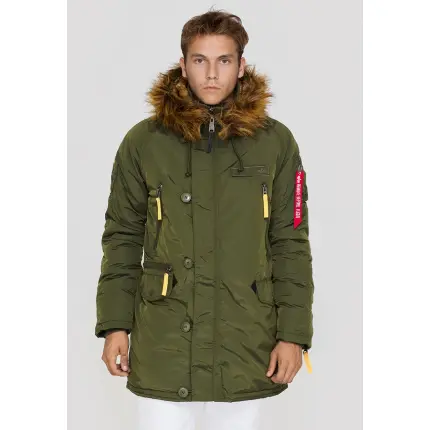
The N3B is a polar parka cut known from military use, designed for very cold conditions. Alpha Industries PPS N3B Polar Parka is water-repellent and windproof, with a 100% nylon outer and 100% polyester filling. It has a lined hood with detachable fur, a high collar and practical pockets. Read more about this brand in our guide to Alpha Industries jackets.
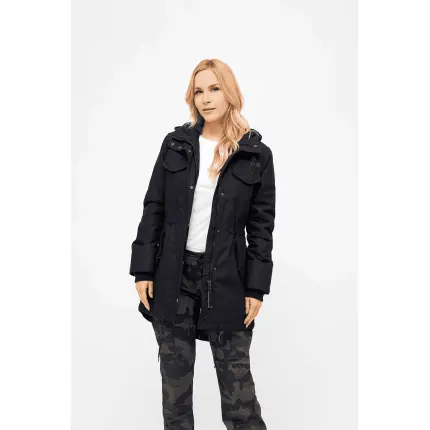
A fishtail parka is recognisable by its extended back. Brandit Marsh Lake Women's Fishtail Parka is made of durable, windproof fabric, with a warm lining and adjustable hood. The cut leaves room for layers, and it's designed for autumn and spring in the city and on easy trips.
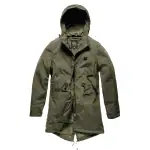
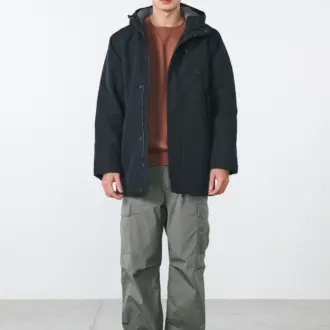
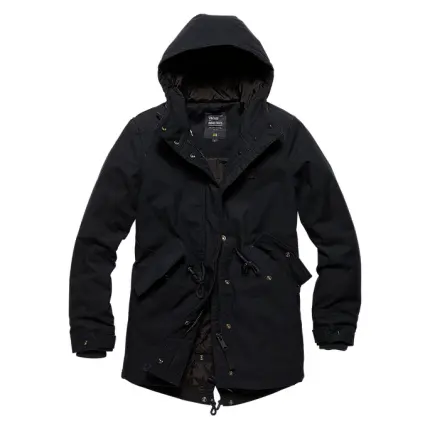
If protection from rain matters to you, take a look at the Vintage Industries Kylian long parka. It is made of 100% polyester ripstop, waterproof to 10000 mm H2O, and has a fixed hood and recycled GRS-certified filling. For a more classic city look there is the Vintage Industries Ledger men's navy parka, made from a cotton and polyester blend, with ribbed cuffs and several pockets.
Jackets: M-65, puffer bomber, softshell and lined winter jacket
The M-65 is a classic military field cut and one of the most recognisable military models. Brandit M65 Giant Jacket is made of washed cotton, with a thick polyester liner and a removable insert. It has an adjustable waist and cuffs, plus a hood that stows in the collar, so it's ideal for autumn and layering.
The MA-1 is a pilot's bomber jacket cut. Alpha MA1 Puffer Bomber Winter Jacket is a puffer version, with a durable outer material, insulated lining, straight cut, practical pockets and a hood. It suits winter city conditions and everyday wear.
Softshell is light and doesn't restrict movement. Softshell jacket Alford Vintage Industries it's wind and water resistant up to 5000 mm, with two outer pockets, one inner zip pocket and an adjustable hood. For colder winter days, wear it with a warmer layer underneath. See the full selection in the category jackets.
Parka or jacket for every situation
- City and everyday life: if you only move briefly between transport, work and shops, a jacket such as a puffer bomber or M-65 is enough and easier to combine.
- Driving: a shorter jacket is more practical for sitting and fastening a seatbelt, while a parka can be bulky in the car.
- Outdoor work and standing outside for long periods: a parka, as it covers more of the body and keeps heat better when you are not moving.
- Travel: if you don't know what weather awaits you, a parka in waterproof fabric is safer, while a softshell with layers is easier to pack.
Women's parka or jacket: what to look out for
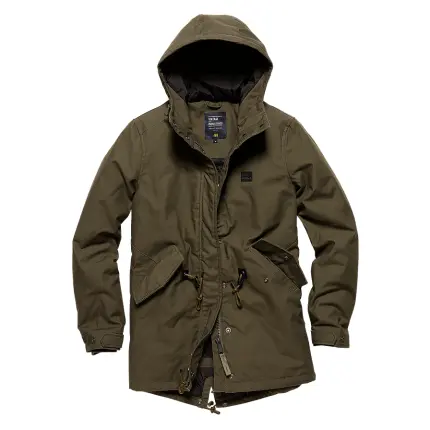
On women's models, check the length and the cut at the waist, as both the look and how much warmth stays in depend on them. Vintage Industries Indy Parka Women's Winter Jacket is a longer model with plenty of pockets, so it's a good middle ground between a jacket and a parka. The Marsh Lake fishtail model is better if you like layers and plan to wear it between seasons.
How to choose the size, layers and care
Try a parka on over the clothes you'll actually wear underneath, such as a jumper or sweatshirt. Raise your arms forwards and above your head; the sleeves shouldn't ride up above the wrist and it shouldn't pull across the back. Before ordering online, check the size charts and measure your chest and arm length.
A jacket is more often worn with layers, so leave a little room, but do not overdo it. A jacket that is too big lets wind in at the hem and around the neck. If you are between two sizes, take the larger one for a layering jacket, and for a warm parka the one that feels comfortable and does not feel tight anywhere.
Always follow the care label. Before washing, close the zips and remove the detachable fur and liner. With waterproof and softshell fabrics, avoid fabric softener, as it can reduce water resistance.
Conclusion: when a parka is better and when a jacket is
Choose a jacket if you need a versatile everyday piece, if you're often on the move and like layering and easy combinations. Choose a parka if you spend more time outdoors, want the best possible protection from wind, snow and cold and don't want lots of layers underneath.
The best solution is to have both: a jacket for the in-between seasons and days when you're in a hurry, and a parka for proper winter conditions. If you need ideas on how to combine them, read the article on military style of dressing or the full range clothing.
You can find the models from this article in our shops in Belgrade, Novi Sad and Niš, or order them online with delivery by D Express courier throughout Serbia. The list of addresses is on the page our shops, and purchases made on the website can be return or exchange within 14 days, in person in a shop or by sending a parcel.
Note: this article is for information only. Always check the material and insulation specifications for the specific model.
From our range
 Black
 Green
Alpha Industries PPS N3B Polar Parka
 Black
Vintage Industries Kylian Long Parka
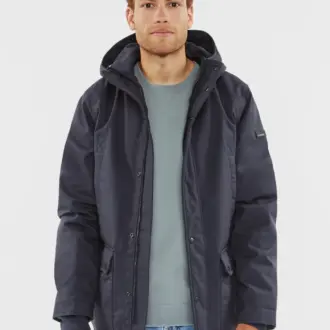
Navy men's parka Vintage Industries Ledger
 Black
Women's fishtail parka Brandit Marsh Lake
 Dark green
 Navy
Vintage Industries Indy Parka women's winter jacket / longer cut
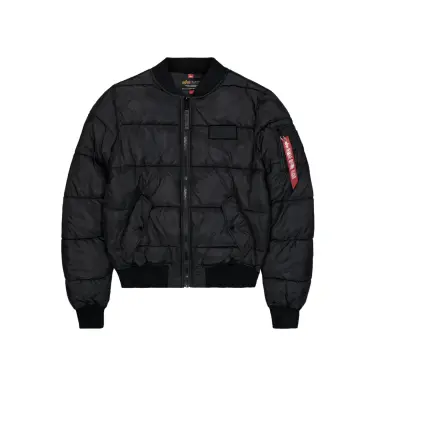
Alpha Ma1 Puffer bomber winter jacket
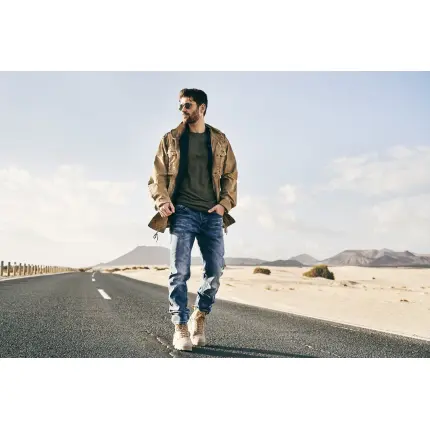
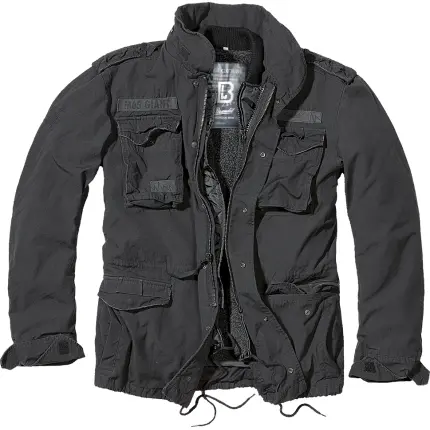 Black
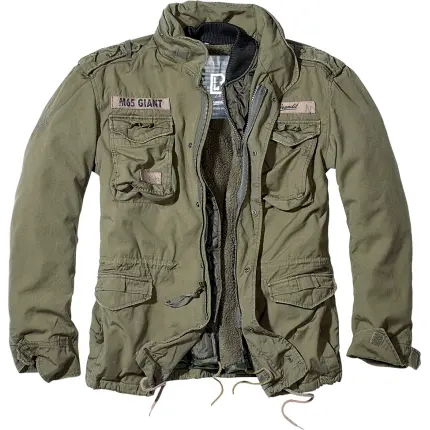 Green
Brandit M65 Giant Jacket
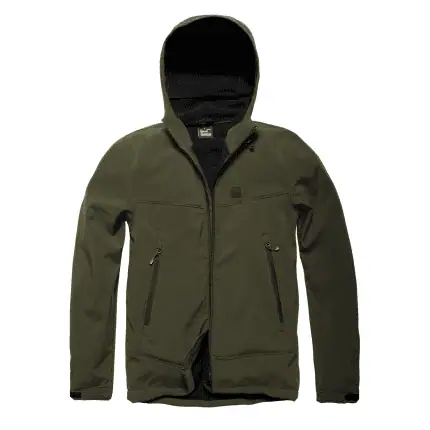
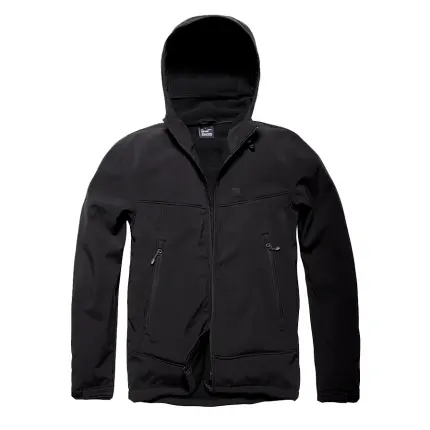 Black
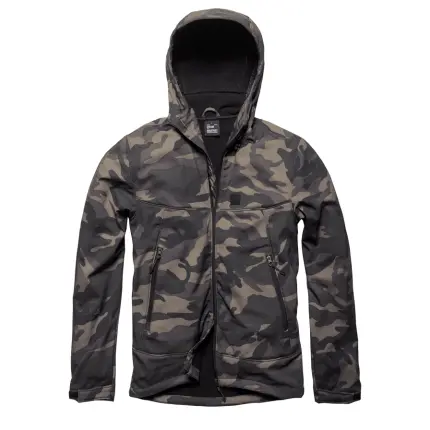 Dark camo
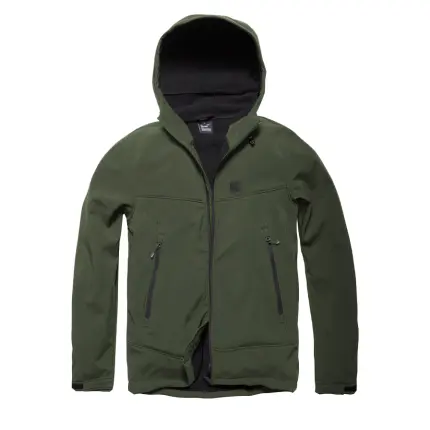 Green
Softshell jacket Alford Vintage Industries
FAQs
Is a parka always warmer than a jacket?
Usually yes, as it's longer and made for colder conditions. However, there are also warm winter jackets, so look at the insulation, material and cut of the specific model.
Which is better for rain and snow?
For longer periods outdoors a parka protects better as it covers more of the body. Still, the outer material is decisive, so check whether it is water-repellent or waterproof and how many mm H2O it withstands.
Is a jacket better for driving?
Mostly yes. A shorter jacket is more comfortable for sitting and fastening a seatbelt, while a parka can be bulky in the car.
How many mm of waterproofing do I need?
For everyday wear and changeable weather, around 5000 mm is enough. If you are outside for longer in heavier rain, 10000 mm is safer.
Should you size up in a parka?
Not necessarily. Try it on over the jumper or sweatshirt you'll wear underneath and choose the size in which you can freely raise your arms without it pulling across the back.












 Patches
 Dog tags
 Balaclavas and neck gaiters
 Belts, braces and duty belts
 Hats, caps and wide-brim hats
 Scarves
 Sunglasses
 Wallets
 Gloves
 Zippo Lighters and Zippo Accessories
 Jackets
 Trousers
 Sweatshirts
 T-shirts
 Shirts
 Shorts
 Windbreakers
 Vests
 Boots
 Shoes
 Trainers
 Footwear accessories
 Backpacks
 Bags
 Pouches
 Torches
 Pepper Sprays and Tear Gas
 Binoculars and compasses
 Knives, tools and batons
 Slingshots
 Other gear