Blog
Zippo lighter: its history, how it began and why it lasts for decades

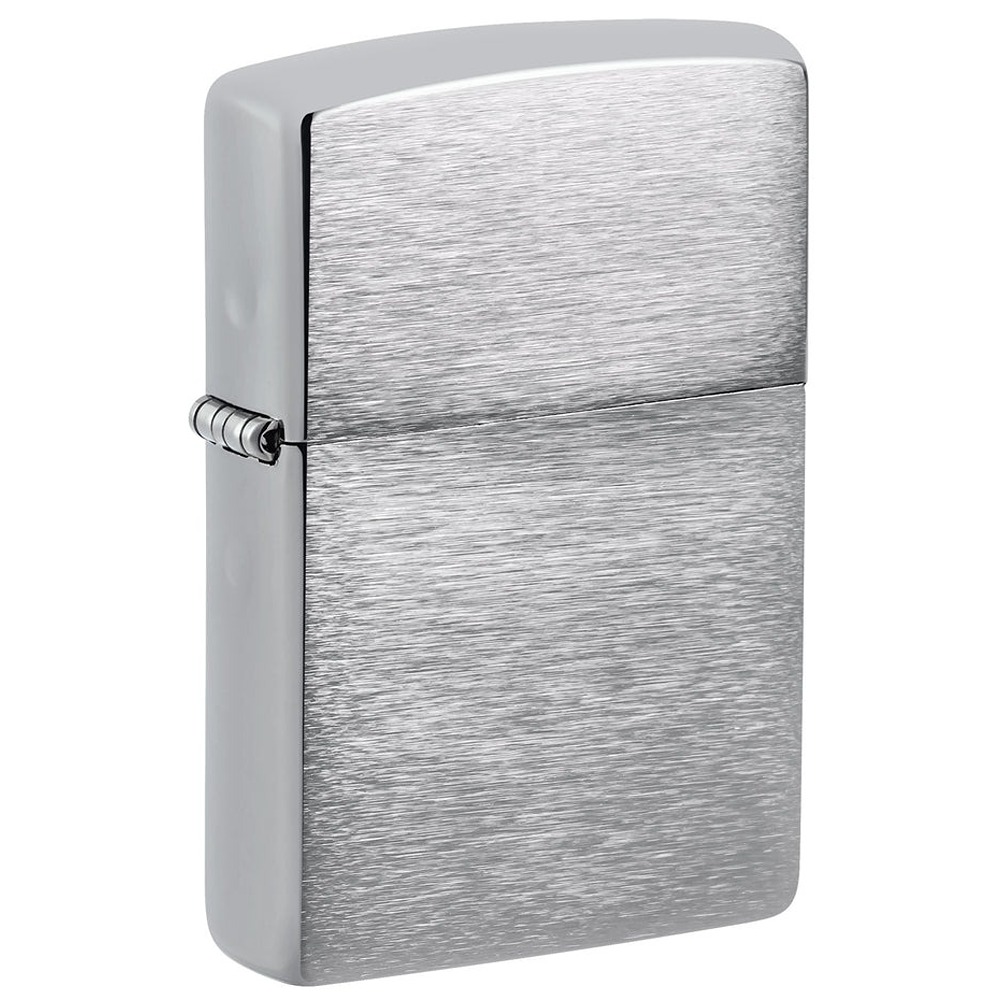
When it comes to zippo lighter history, we're talking about an item that has barely changed since 1932. The metal case, hinged lid and that "click" when it opens are recognisable even without looking. We see it every day in the shop: a customer picks up a Zippo, opens and closes it a few times, and only then looks at the design.
In this article you'll find out when and how Zippo came about, where its name comes from and how it went from soldiers' pockets to collectors' display cases. We've also added a practical section: how the lighter works, why it keeps its flame in the wind, how to refill and maintain it, and how to choose the model that suits you.
What is a Zippo lighter and how to recognise one
Zippo is a petrol pocket lighter with a metal case and a hinged lid. At first glance it seems simple, and it is simple. That is exactly why it has become a byword for reliability and durability.
How to recognise it:
- Case and hinged lid, which opens with one hand.
- Distinctive sound when opening and closing, which over time has become part of the brand's identity.
- Weight in the hand: the metal and finish give the feel of a serious item rather than a disposable product.
- Flame protection around the wick, which means it works outdoors, in the wind.
Today people buy a Zippo for many reasons: as an everyday lighter, a gift that lasts, a collector's item or a detail to go with outdoor, motorbike and tactical style.
How Zippo began: George G. Blaisdell, 1932 and Bradford, Pennsylvania
The story begins in the USA in the early 1930s. George G. Blaisdell, the company's founder, wanted a lighter that was easy to use with one hand, durable and worked when the wind was blowing.
He took the idea of a reliable case and improved it so the lighter would be practical, sturdy and easy to repair. The first Zippo model was introduced in 1932, and production soon began in Bradford, Pennsylvania. The design from that time remained recognisable for decades.
Where the name Zippo comes from
The name Zippo was chosen because the word sounded modern to Blaisdell, was short and easy to remember. That "zippy" sense of speed and modernity stayed with the brand in the decades that followed.
Zippo through history: from the soldier's pocket to films and collections
Zippo became widely known during the Second World War, when many soldiers carried one as a personal item. A lighter that lights in tough conditions and doesn't break easily quickly earns a reputation, and that reputation carried over into peacetime.
Later, Zippo appeared in films, music and popular culture. Many models became recognisable for their engravings, logos and special editions, so Zippo today also has strong collector value. People collect particular designs, finishes or series, and some carry their lighter for years and pass it on.
How Zippo works and why it keeps its flame in the wind
The mechanism is simple, and that's exactly why it lasts. Inside the case is an insert with cotton wadding that soaks up the fuel. A cotton wick runs through the wadding and draws the fuel upwards. When you turn the wheel with your thumb, it strikes the flint and creates a spark, which lights the fuel vapour on the wick.
Around the wick there is a metal "chimney" with holes. It shields the flame from the sides, while the holes let in the air the flame needs. That is why a Zippo stays lit when the wind blows, in conditions where many gas lighters go out.
From experience: when a Zippo struggles to light in the wind, the problem is almost always maintenance, not the lighter. Dry wadding, a worn flint or a burnt wick make the difference. More on this in the maintenance section.
Lifetime guarantee and repairability: what it means in practice
Zippo is known for its lifetime guarantee, within the manufacturer's terms. Conditions may depend on the market and type of damage, so it's best to check them before counting on a repair. Thanks to this guarantee, Zippo has earned a reputation as something you buy for the long term.
The other side of the same story is repairability. The lighter is designed so that parts can be replaced: the flint, wick and wadding are consumables, while the case and mechanism stay. In practice, this means your Zippo doesn't stop working; you just "refresh" it now and then.
How to fill and maintain a Zippo: fuel, flint and wick
Maintenance takes a few minutes and needs no special tools. Use original consumables, as they are made for this case and this mechanism.
Refilling with petrol
- Pull the insert out of the case and turn it upside down.
- Lift the felt and slowly pour fluid into the wadding until it is soaked. Don't overdo it, as the excess leaks.
- Wipe the insert and your hands, put the insert back in the case and wait a little for the excess to evaporate before lighting.
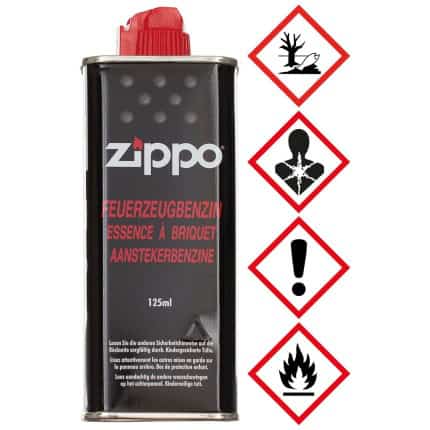
For this, use genuine Zippo lighter fluid. The pack is compact and the wick soaks it up quickly. Bear in mind that the fluid evaporates over time even when you're not using the lighter, so it's normal to refill it more often than you expect.
Replacing the flint
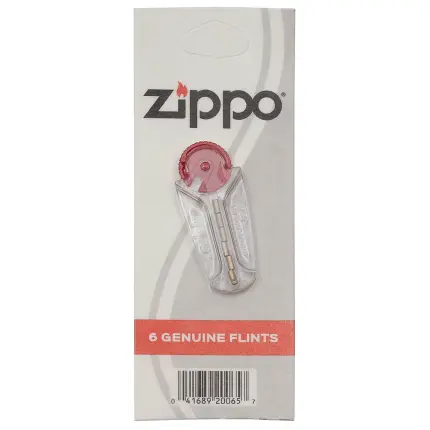
When the wheel gives a weak spark or none at all, it's time for a new flint. At the bottom of the insert, unscrew the spring screw, remove what's left of the old flint, put in a new one and screw it back in. Original flints for Zippo lighters is made from ferrocerium alloy and comes in a pack of 6, so it lasts you a long time.
Replacing the wick
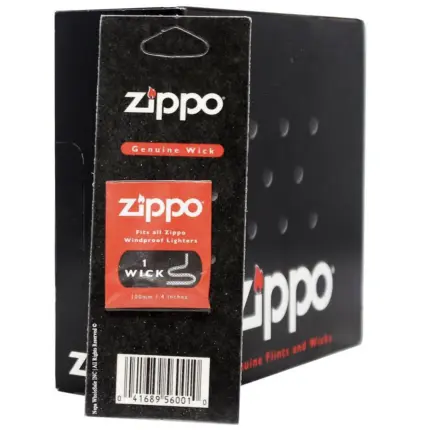
A burnt, blackened wick lights poorly and produces soot. First try pulling it out a little with tweezers and cutting off the burnt tip. When it gets too short, replace it entirely: pull out the old one, thread the new one through the wadding up to the top of the chimney and trim it to the right height. Original Zippo Cotton Wick is made for standard Zippo models and cases.
For a more detailed overview of add-ons and accessories, see our article Zippo lighters and accessories: a guide.
How to choose a Zippo: classic models, finishes and designs
The working principle is the same on classic models, so you choose mainly by finish and design. The finish affects how the lighter looks after years in your pocket, and the design how personal it is.
Classic finishes
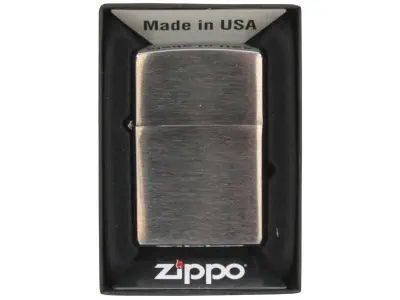
Zippo 200 Brushed Chrome Lighter is the classic model 200 with a brushed surface in a Brushed Chrome finish. If you want a clean, simple Zippo without a design, this is a good starting point. Note: this model can only be ordered via the website and is not available in our shops.
Zippo Black Crackle #236ZL has a metal case with a textured finish and a compact shape. It is resistant to wind and knocks and is designed for everyday use and outdoor activities all year round. The texture gives it a different feel in the hand from smooth models, making it a good option for those who really use their lighter outdoors.
Models with a design
Zippo Poker Pattern 47453 is a metal pocket lighter with a satin chrome finish and a poker design, windproof, with a lifetime guarantee. If you're buying a gift for someone who loves cards, the design speaks for itself.
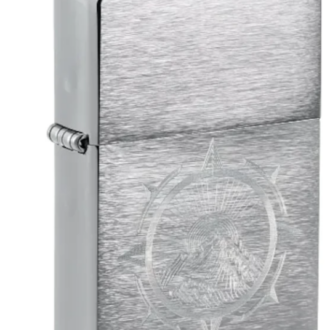
Zippo Mountain Compass #47455 is brass, with a brushed chrome finish and a mountain compass design. It's refillable and windproof. The design is a natural fit with hiking and outdoor gear.
Zippo as a gift: what to look out for
- How it will be used: for everyday carry and outdoor use, choose a finish that tends to show marks less, such as a textured finish or brushed chrome.
- Design to suit the person: a hobby, interest or style is worth more than a random picture.
- Add consumables: lighter fluid and flints with the lighter mean the recipient can use it straight away.
Zippo with EDC and outdoor gear
A Zippo is often carried alongside a knife and other EDC gear, as part of the things you always have on you. If you're putting together such a kit, also take a look at knives, tools and batons. With an outdoor and military style, a sturdier jacket, solid footwear and a good belt, a metal lighter feels like part of the whole look. You can read more about this in the article on military style of dressing.
Zippo lighters in the Army Shop range
We stock Zippo lighters in a range of models, finishes and designs, along with genuine fluid, flints and wicks. So you can find a lighter for everyday carry, the outdoors, a gift or a collection, and maintain it with genuine parts. See the full range in the category Zippo lighters.
You can see and open the lighters available in store at our shops in Belgrade (Sarajevska 57, Makedonska 5, TC Staklenac), Novi Sad (Železnička 2) and Niš (TC Kalča), or you can order them online. The addresses are on the page our shops, and we ship orders throughout Serbia via the D Express courier service.
Conclusion
A Zippo lasts for decades because from the start it was made to be used, repaired and carried for years. George G. Blaisdell's idea from 1932 still works the same way today: flint, wick, lighter fluid and a case that protects the flame. If you refill it regularly and change the flint and wick now and then, the lighter you buy today can stay with you for a very long time.
Note: this article is for information only. Specifications, guarantee terms and model availability may vary.
From our range
FAQs
When was the Zippo lighter invented?
The first Zippo was introduced in 1932 in the USA, and production soon began in Bradford, Pennsylvania. The company's founder was George G. Blaisdell.
Why does a Zippo work in the wind?
The metal chimney with holes around the wick shields the flame from the side and lets air through. The flame is steadier if the wadding is soaked, the flint is in good condition and the wick is clean.
Which lighter fluid, flint and wick should I use?
It's best to use genuine Zippo fluid, flints and wicks, as they're made for this mechanism and case. Flints come in packs of six, and the cotton wick fits standard models.
Why does my Zippo run dry quickly even when I'm not using it?
Petrol naturally evaporates from the wadding even when you're not using the lighter. This is normal for petrol lighters, so top it up regularly and don't oversoak the wadding.
Does Zippo have a warranty?
Zippo is known for its lifetime guarantee within the manufacturer's terms. Conditions may depend on the market and type of damage, and consumable parts such as the flint and wick are replaced as needed.


















 Patches
 Dog tags
 Balaclavas and neck gaiters
 Belts, braces and duty belts
 Hats, caps and wide-brim hats
 Scarves
 Sunglasses
 Wallets
 Gloves
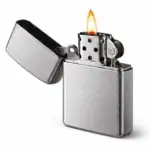 Zippo Lighters and Zippo Accessories
 Jackets
 Trousers
 Sweatshirts
 T-shirts
 Shirts
 Shorts
 Windbreakers
 Vests
 Boots
 Shoes
 Trainers
 Footwear accessories
 Backpacks
 Bags
 Pouches
 Torches
 Pepper Sprays and Tear Gas
 Binoculars and compasses
 Knives, tools and batons
 Slingshots
 Other gear